Property and infrastructure
27. juli 2026
Space for today’s operations and tomorrow’s opportunities
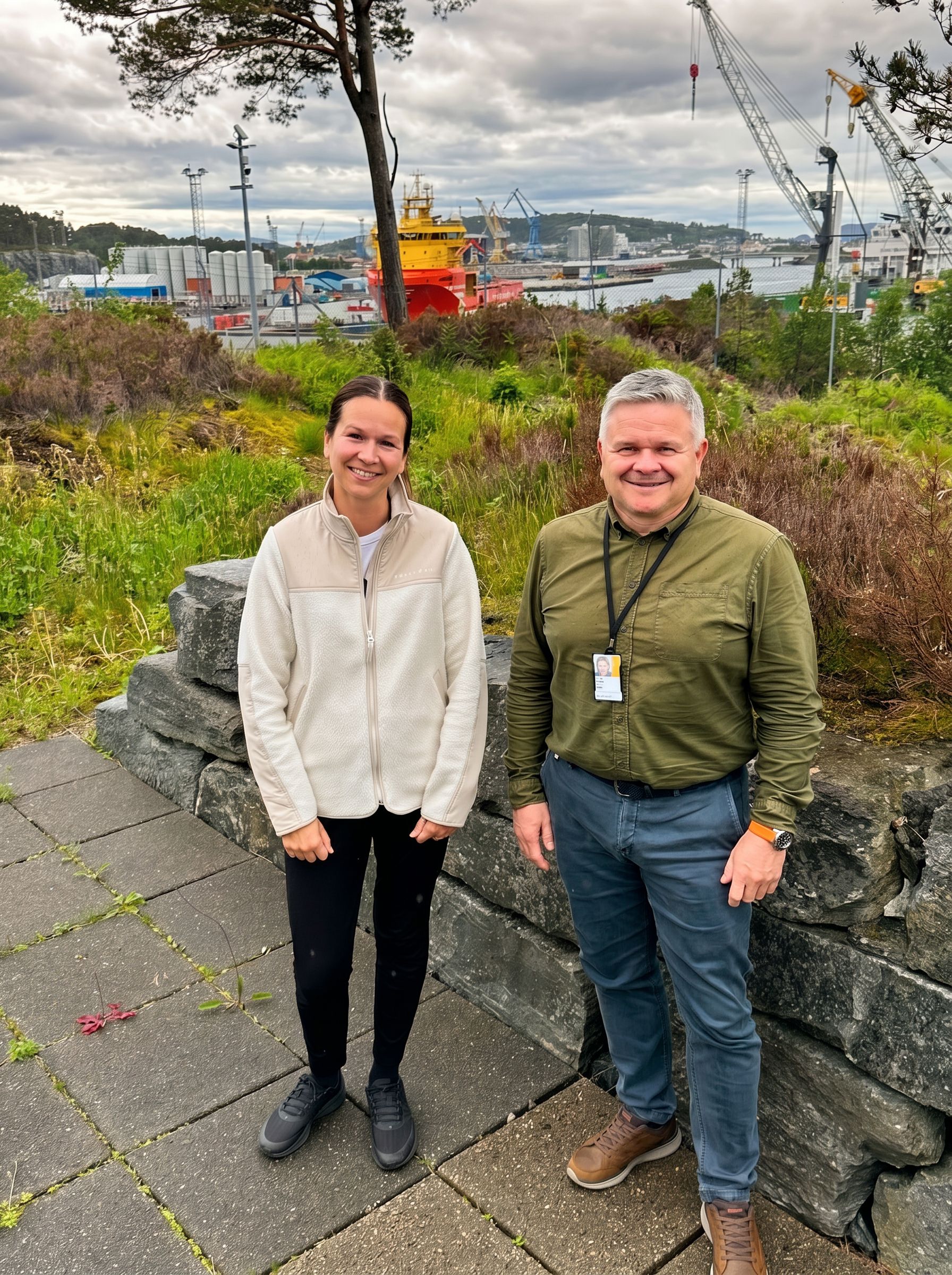
Over several decades, Fjord Base has developed from a base facility in Florø into Norway’s largest supply base. An important part of this success has been access to land, strong infrastructure and the ability to grow in step with customers’ needs.
It is easy to think of buildings, quays, roads and outdoor areas as something static. However, the development of Fjord Base is supported by continuous work involving planning, adaptation, maintenance and further development. This is at the heart of the day-to-day work carried out by Fjord Base AS, the property company within Fjord Base Group.
Access to land has been crucial
Ever since it was established, Fjord Base has depended on its ability to develop in step with activity on the Norwegian continental shelf. New customers, new vessels, new requirements and new services have continuously created a need for greater capacity, more efficient logistics and more flexible solutions.
Access to land has therefore been one of the keys to the base’s success. As activity has increased, Fjord Base has been able to expand, adapt and provide facilities for new types of operations.
Today, Fjord Base is a large industrial area with quays, warehouses, workshops, office buildings, outdoor areas, infrastructure and a broad industrial cluster. However, this development has not happened by itself. It is the result of long-term planning, investment and the ability to identify new needs at an early stage.
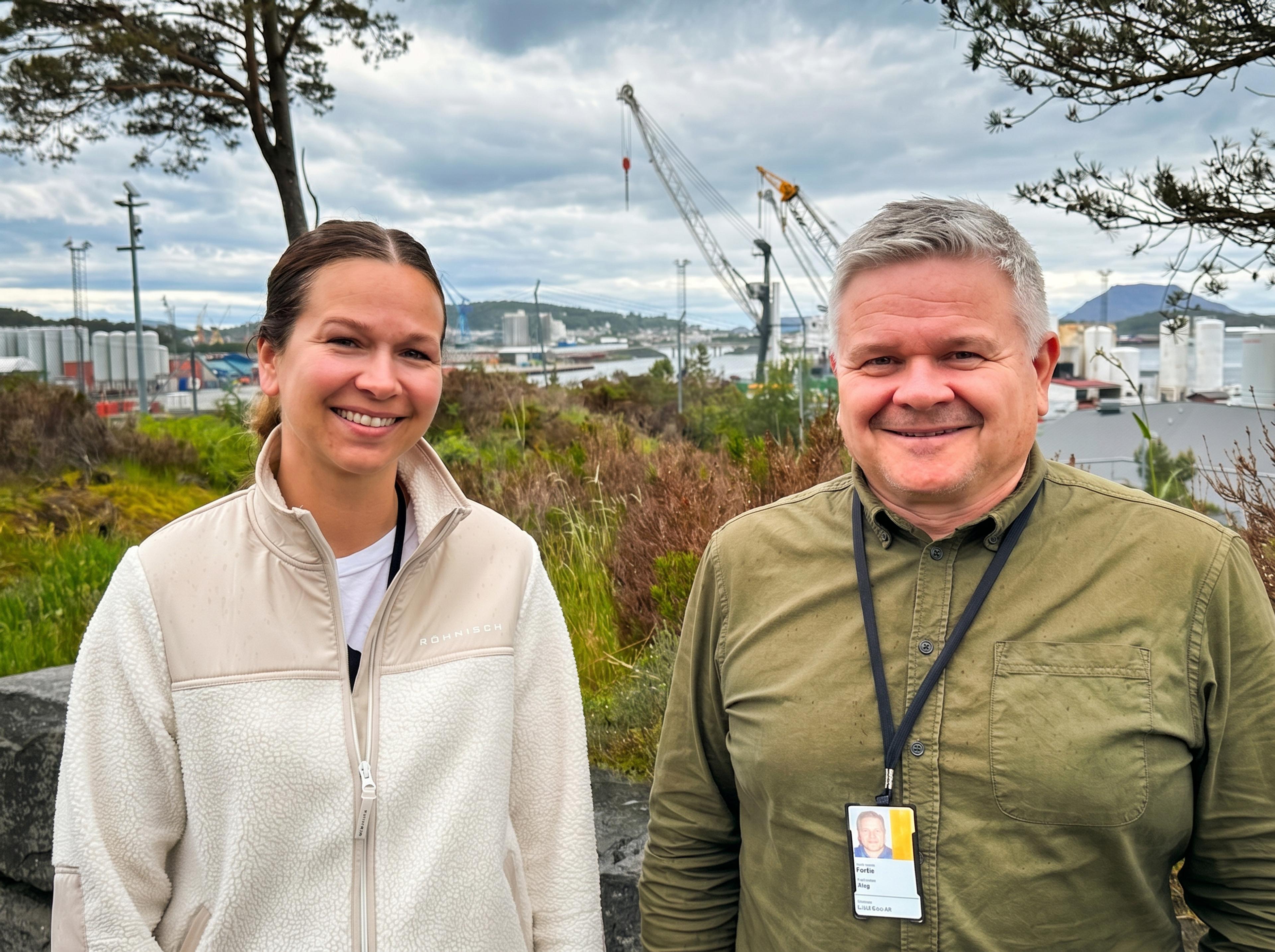
“Historically, the owners have had a good understanding of developments within the oil and gas industry. They have been willing to prepare new areas before the full demand has materialised. This has, of course, involved risk, but it has also been crucial in enabling the base to grow and establish itself in new markets. This is a strategy we also intend to continue in the future,” says Stig Førde, Executive Vice President for Property and Infrastructure at Fjord Base Group.
Today’s operations and future needs
For Fjord Base AS, the working day is about balancing two considerations. On the one hand, the existing base must function well for the customers already located here. On the other, the company must plan for projects, requirements and markets that may still be many years away.
This involves work relating to buildings, leases, outdoor areas, maintenance, infrastructure, customer adaptations and new development projects. At the same time, the company is involved in larger processes such as the municipal master plan’s land-use component, zoning matters, access to power and long-term land-use planning.
One current project is the development of a new 132 kV power line from Guleslettene to Fjord Base. Access to power is becoming increasingly important for the development of both the base and the region. This applies to the electrification of existing activities, shore power, new industry and potential developments within areas such as hydrogen, ammonia, data centres and offshore wind.
Power and land are closely connected. Without sufficient power, developing new industries becomes more difficult. Without sufficient land, it becomes harder to accommodate new customers and projects. Both must therefore be planned with a long-term perspective.
KPA is about securing room for future development
The municipal master plan’s land-use component, commonly referred to as KPA, is an important part of this picture. The plan establishes the overall framework for how land and sea areas within the municipality may be used in the years ahead.
For Fjord Base, the KPA is not about developing every area immediately. It is about securing the flexibility needed if future opportunities arise.
New industrial and energy projects often have long timelines. It may take many years from the initial idea until a project is mature enough to be realised. Land, infrastructure and planning approvals must therefore be in place at an early stage. Waiting until a project becomes concrete may mean that the opportunity has already been lost.
In its submissions to the KPA process, Fjord Base Group has highlighted the need for:
- development of Naustholmen, including a new logistics quay and zoning for port activities
- a limited expansion south of Perholmen
- sea areas west and east of the base for the temporary storage of floating foundations and completed turbines
- continuation of the existing industrial area at Grønenga in the new land-use plan
“An important point is that the KPA is an overarching plan. Individual projects will still be subject to detailed zoning, impact assessments, further clarification and political consideration. This will help ensure that development takes place responsibly, with consideration for industry, nature, neighbouring communities, sea areas and the wider local community,” Stig explains.
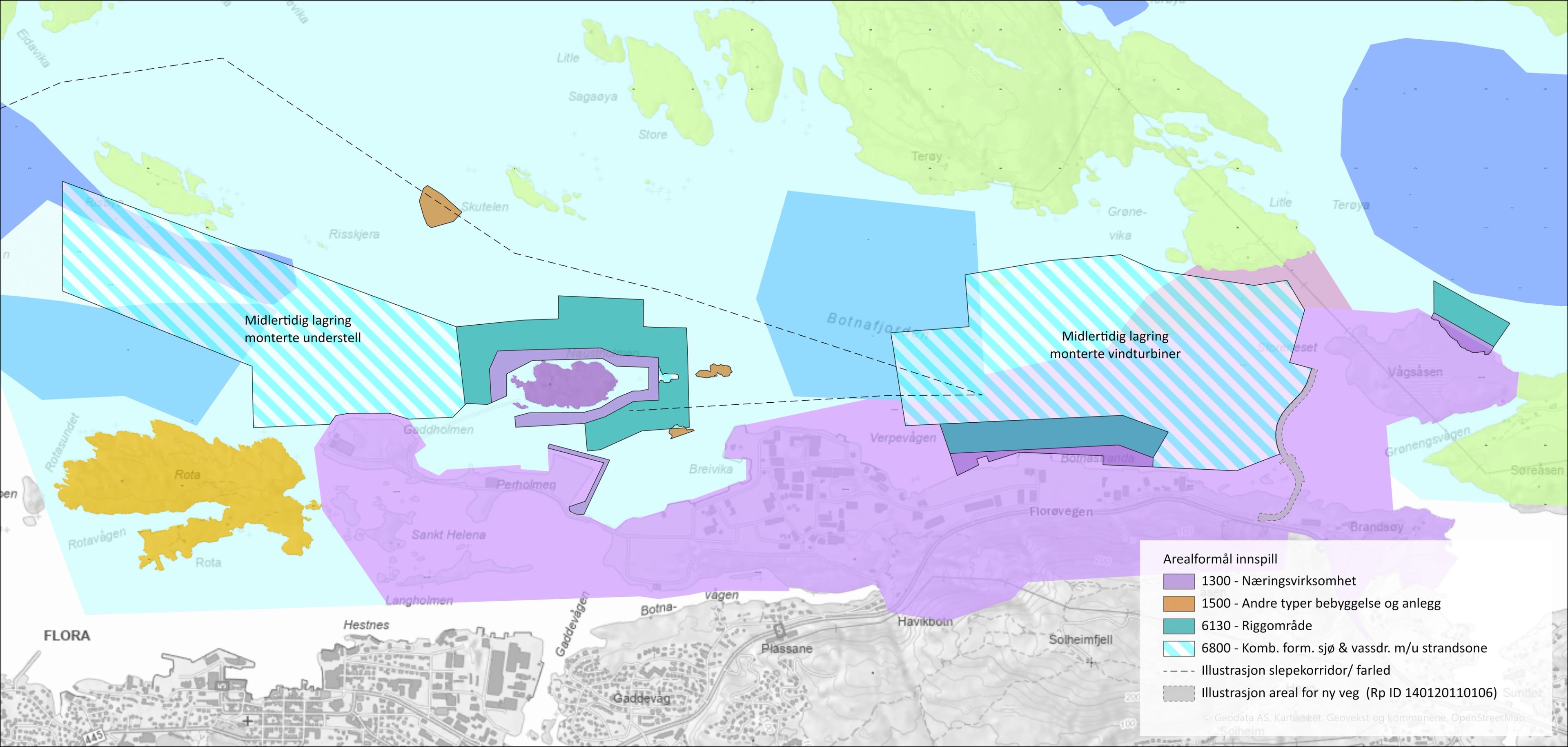
Photo caption: Fjord Base Group’s proposal for the new land-use plan, which will provide the necessary flexibility for future development.
A turning point for offshore activity
Oil and gas will remain highly important to Fjord Base for many years to come. Activity on the Norwegian continental shelf generates significant economic ripple effects, employment and demand for services from the base and the industrial cluster in Florø.
At the same time, forecasts show that activity on the Norwegian continental shelf will change over time. A projection from the Norwegian Offshore Directorate indicates that production may fall significantly towards 2050 unless new discoveries are made and new investments are undertaken.
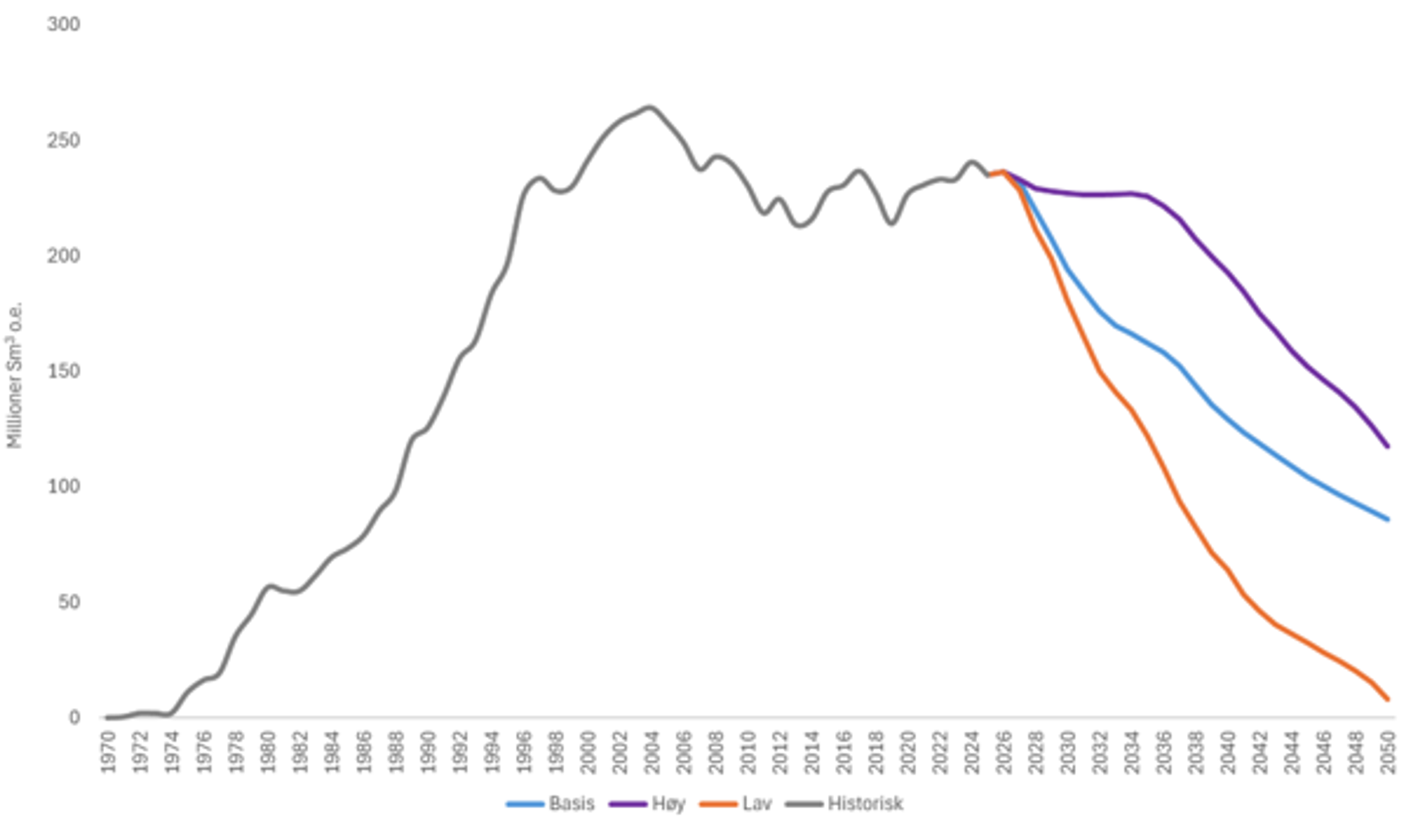
Figure caption: Projection from the Norwegian Offshore Directorate’s Resource Report 2025.
This presents both a challenge and an opportunity. On the one hand, Fjord Base will continue to be a strong and relevant base for the oil and gas industry. On the other, the company must begin developing new opportunities now if the base is to succeed in making a gradual transition.
Developing new industry, building infrastructure and securing power, land, permits, partners and, not least, customers all take time. Work on future opportunities cannot therefore wait until existing activity has already begun to decline.
“The new 132 kV power supply to Fjord Base and Florø is an excellent example of long-term planning. Fjord Base began exploring the possibility of securing additional power capacity in 2019, and the project is scheduled for completion ten years later,” says Marita Jarstad, Technical Manager at Fjord Base AS.
Several opportunities – but offshore wind stands out
Fjord Base Group is considering several potential areas of future growth. Data centres, hydrogen, ammonia, defence-related activity and attracting more oil and gas activity to Florø could all generate new business at the base.
At the same time, offshore wind is one of the industries with the greatest potential to replace current activity and value creation if the projects are realised. Fjord Base is strategically located for potential offshore wind developments west of Florø, and the base already has much of the expertise and infrastructure such projects may require.
However, offshore wind is not only about large turbines. The activity may involve far more than the turbines themselves. It may include logistics, temporary storage, cable handling, mooring systems, components, assembly of floating foundations, turbine integration, maintenance and maritime operations.
“The offshore wind value chain is extensive and complex. The tall turbines are large and fascinating and naturally attract much of the attention. However, for a base such as Fjord Base, the opportunities associated with logistics, land requirements, temporary storage and maritime operations may be just as significant. This work is similar to much of what we do today, although it requires more space both on land and at sea,” Stig explains.
This could result in different roles for Fjord Base. The base could take on a broad role covering several parts of the value chain, or specialise in selected areas where it has particularly strong capabilities. Cooperation with other ports and industrial environments may also be relevant in order to identify the most efficient solutions.
Offshore wind nevertheless remains uncertain. Apart from Utsira Nord and Sørlige Nordsjø II, the Norwegian government has not presented a plan for further development towards its target of 30 GW by 2040. It may take many years before major projects become relevant in the areas close to Florø. However, opportunities could also emerge sooner if the Vestavind areas, which are among the 20 areas identified by the Norwegian Water Resources and Energy Directorate as suitable for offshore wind, are prioritised by the government.
This is precisely why maintaining flexibility is so important. For Fjord Base to be a relevant option when opportunities arise, land, power and infrastructure must be planned well in advance.
More knowledge leads to more precise requirements
In recent years, Fjord Base Group has gained greater knowledge of the requirements associated with potential future industries. Through dialogue with customers, developers, professional communities and various expert studies, the company has developed a better understanding of what is actually required to deliver services to industries such as offshore wind.
One of the studies carried out was a mapping of marine biodiversity in Årebrotsfjorden and Botnafjorden.
This new knowledge has also led to adjustments in the company’s estimated land requirements. A few years ago, Fjord Base anticipated a greater future need for land than it does today. The company is now working more specifically with efficient and environmentally considerate expansions, better utilisation of existing areas and more flexible models for using the base.
This includes more dynamic use of land, sharing of resources, smarter logistics and cooperation with other ports where appropriate. The objective is not to use more land than necessary, but to secure sufficient flexibility to take advantage of opportunities when they arise.
Long-term work must begin early
Many development projects take a long time to realise. HyFuel is one example of how new industrial projects require land and infrastructure, project maturation, power, a market with customers and patience before they can be implemented.
“The key to this project was the availability of land close to a maritime market,” Marita explains.
Fjord Base AS therefore works continuously across several different time horizons. Some tasks concern the current week. Others concern the next few years. Some are about ensuring that the base remains relevant in ten, twenty and thirty years’ time.
A responsibility for the industries of the future
For Fjord Base AS, land and development are ultimately about more than site boundaries and planning maps. They are about jobs, value creation and the opportunity to further develop Florø as a strong industrial hub.
Fjord Base has succeeded because the base has had room to grow. To continue succeeding in the future, it must also have room to develop.
The KPA, new power capacity, better utilisation of land and long-term development projects are all parts of the same effort: ensuring that Fjord Base can serve today’s customers while also being ready when tomorrow’s opportunities arise.