Press release
13. oktober 2026
Fjord Base connects its shore power infrastructure to an overarching energy platform

Fjord Base viser hva som skjer når elektrifisering går fra enkeltprosjekter til et stadig større energisystem. Da blir det viktig å kunne se infrastrukturen i sammenheng, uten å låse seg til én teknologileverandør. Sammen med Fjord Base og PSW har vi vist hvordan eksisterende landstrømanlegg kan oppgraderes og kobles inn i ett overordnet digitalt lag. Det gir Fjord Base frihet til å bygge videre med den teknologien som passer best – Rune Lyngaas, CEO, Fjuel.
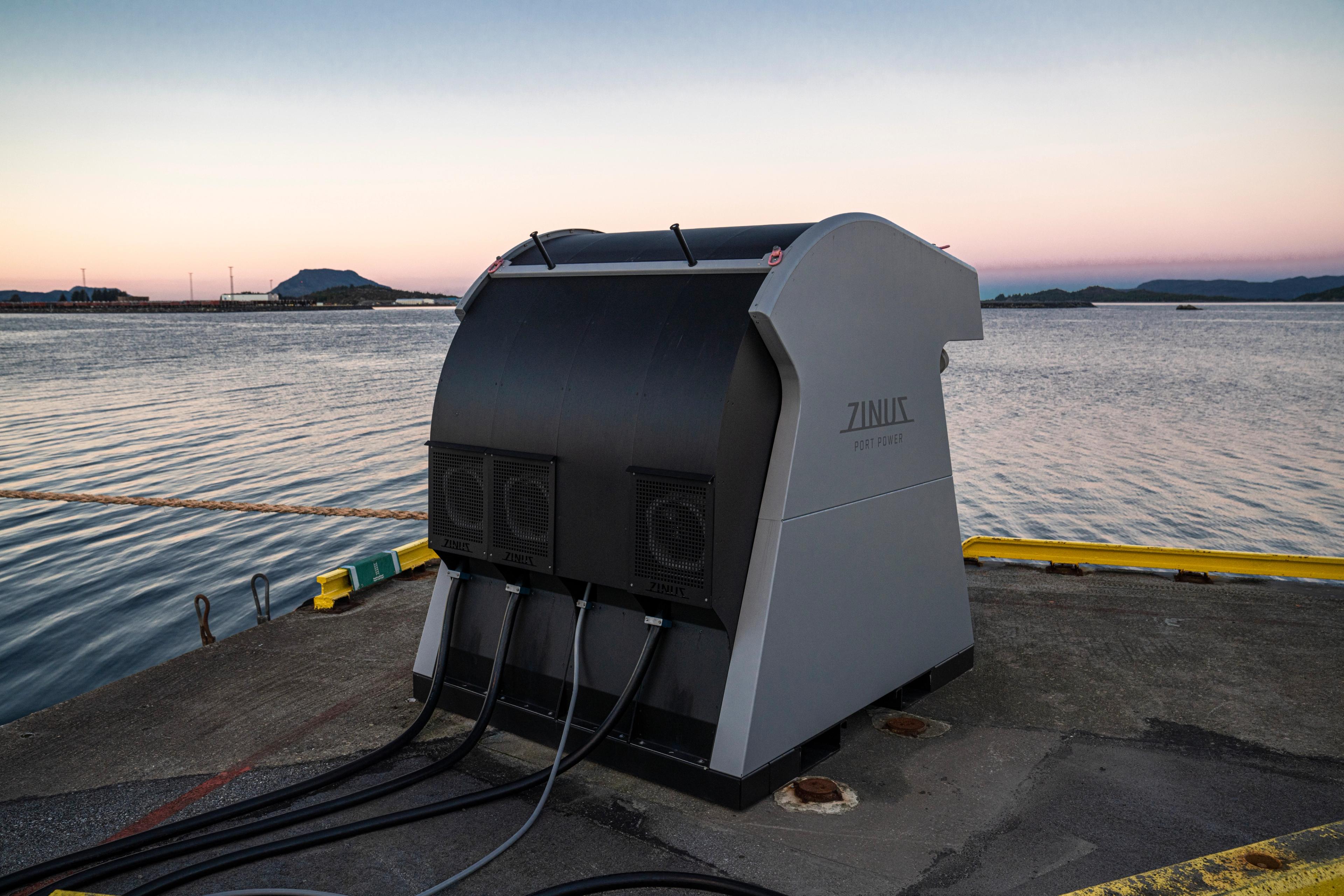
Following a period of testing and technical upgrades, the shore power installations at Fjord Base have now been connected to the Fjuel platform. The solution provides the base with a single digital layer across its infrastructure and a stronger foundation for efficient operations, monitoring and control of energy sales.
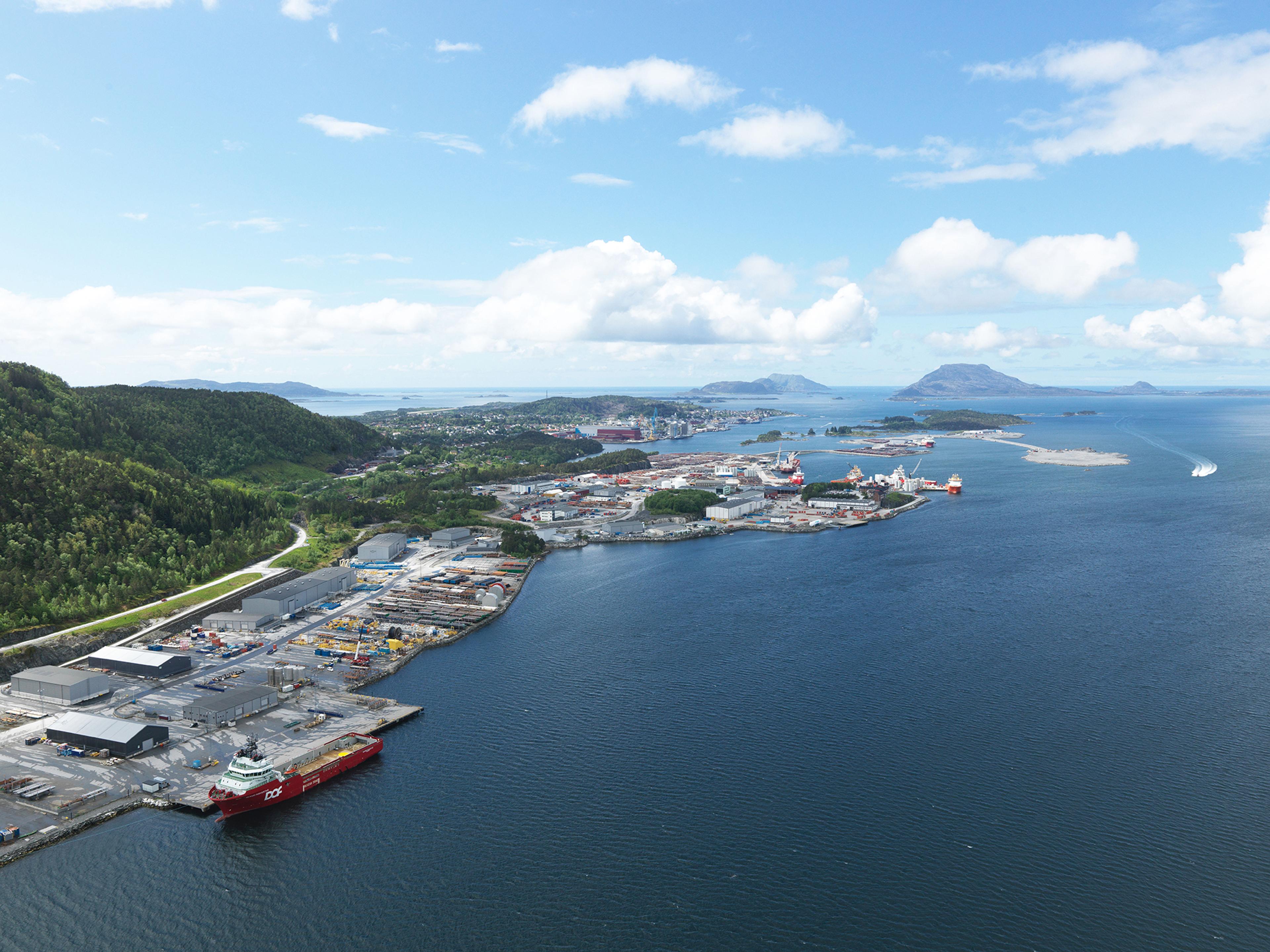
Fjord Base, Norway’s largest supply base and an important hub for offshore traffic on the Norwegian continental shelf, has invested heavily in electrification and new energy infrastructure over several years. The base has nine quays with shore power, electric cranes and is also investing in new green energy solutions.
The Fjuel platform is now integrated with the shore power installations, bringing infrastructure data together in one overarching system. Fjord Base thus gains a consolidated overview of operations, availability, shore power sessions and energy consumption, while the platform facilitates more efficient management of energy sales.
“Electrification of the base and digital optimisation of the infrastructure are not only important to our climate ambitions – they are critical to competitiveness and efficient operations.” – Marita Jarstad, VP Infrastructure, Fjord Base
From investment to digital operations
In recent years, Fjord Base has expanded shore power and electrified an increasing share of its terminal operations. The aim is to reduce emissions and energy consumption while developing new services and strengthening competitiveness. In parallel, Fjord Base is pursuing initiatives in offshore wind, hydrogen and ammonia, among other areas.
As the infrastructure grows, so does the need to view the different installations as a whole. Establishing physical infrastructure is not enough; it must also be monitored, used efficiently, priced correctly and incorporated into integrated energy operations.
Existing installations upgraded and digitalised
Parts of the shore power infrastructure were supplied by Blueday, which subsequently went bankrupt. This created a need for technical modifications to parts of the installations before the integration could be completed.
PSW Power & Automation has been an important partner in bringing the infrastructure into a solution capable of working with an overarching digital system.
As a result, Fjord Base can now bring real-time data from its shore power installations into Fjuel and gain a consolidated picture of operations, availability and energy consumption. This also illustrates an important principle of electrification: existing infrastructure does not need to be replaced to become smarter – it can be upgraded and connected to a common digital layer.
One digital layer across the energy infrastructure
Demand for shore power is also being driven by increasingly stringent climate requirements for shipping. Offshore vessels of 400 gross tonnage and above are already subject to emissions reporting requirements, while offshore vessels above 5,000 gross tonnage will be covered by the EU ETS from 2027. Emissions will then carry a direct cost for shipowners through the purchase of emission allowances, creating a stronger financial incentive to reduce emissions, including through shore power.
For a supply base with substantial offshore traffic, increased use of shore power means greater demands on both availability and efficient management of energy sales.
Fjuel acts as a vendor-independent supervisory platform above the physical energy infrastructure. The shore power installations at Fjord Base are now brought together in the platform, while the solution is designed to allow charging facilities, electric cranes, energy storage and local energy generation to be integrated over time. In this way, Fjord Base can gradually build a unified digital picture of its energy infrastructure instead of monitoring and managing each installation in separate systems.
Each shore power session is registered automatically, and invoicing data is transferred to the PORT port management system supplied by Grieg Connect. Increased use of shore power can therefore be handled without a corresponding increase in manual administration.
The platform also supports different pricing models, including dynamic pricing, and gives Fjord Base a better basis for managing risks related to price volatility and monitoring the profitability of energy sales.
"Fjord Base demonstrates what happens when electrification moves from individual projects to an increasingly extensive energy system. At that point, it becomes important to view the infrastructure as a whole without being tied to a single technology supplier. Together with Fjord Base and PSW, we have shown how existing shore power installations can be upgraded and connected to one overarching digital layer. This gives Fjord Base the freedom to continue developing with the technology that best suits its needs." – Rune Lyngaas, CEO, Fjuel
A foundation for further electrification
Fjord Base is a rapidly developing industrial cluster, with activities in oil and gas, offshore logistics and new green value chains. The base has ambitions in offshore wind, hydrogen and ammonia, among other areas, while an increasing share of its existing operations is being electrified.
A common digital layer makes it possible to expand without being tied to a single supplier of physical systems, and to purchase installations at competitive prices. For Fjord Base, this means new electrical installations can be integrated step by step and viewed alongside existing shore power, energy consumption and available capacity.
The collaboration between Fjord Base, PSW and Fjuel shows how physical upgrades and digitalisation can go hand in hand. The goal is not simply more technology, but better utilisation of investments already made – and a more robust foundation for the next phase of electrification.