Decommissioning
When the installation has done its job
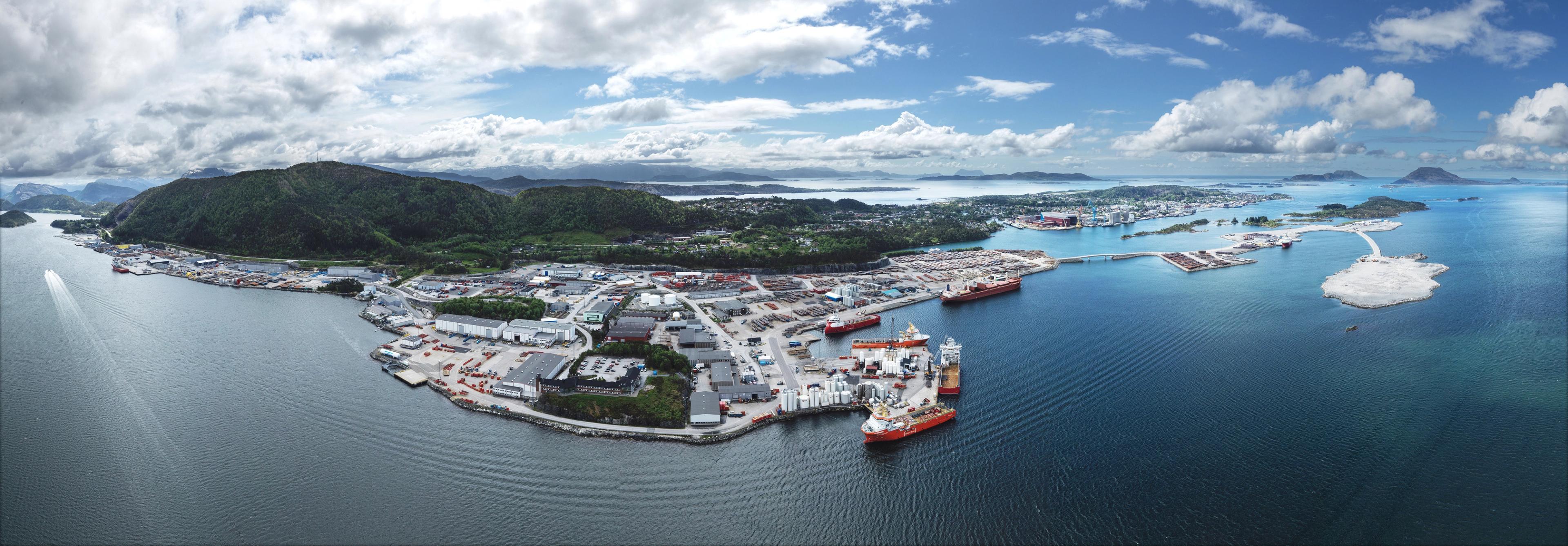
A field shuts down, and everything out there has to come ashore. Modules, pipe, cable and moorings need a quay to land on, space to be sorted, and a route onwards. Fjord Base has the area, the quays and the logistics to handle that part on shore.
The base in numbers
The space is already here
1 500 000
square metres of base area
9
quays with favourable port conditions
650
people work here
Close
to key sea areas
Scope
What we receive
Onshore decommissioning is logistics with strict documentation requirements. Equipment arrives in bulk and leaves sorted, weighed and recorded. We receive cargo at the quay, store it on the yards just behind, and run the sorting together with the client and the companies on the base that hold the relevant expertise.
Volumes vary a great deal between projects. We therefore set up area and manning for the individual job rather than offering a fixed package.
Large sections arrive on barge or vessel and are set down on lay-down areas close to the quay. From there they move on to cutting and sorting with the companies that do that work. We manage receipt, placement and onward transport.
Pipe from the field often carries coating residue and scale. It is sorted by dimension and condition, and whatever can be reused is separated from what goes to recycling. Pipe handling is something the base has done for forty years, and the yards are sized for it.
Cable arrives on large reels and takes up a lot of room. We have handled cable on the base for years, both inbound for new projects and back out again, and we have the equipment and the space it needs.
Tanks and process equipment must be emptied and cleaned before further treatment. That work is done by approved operators, and the base provides the quay, the area and the logistics around it.
Tre ting som avgjør prosjektet på land
Quay capacity
The cargo comes by sea and has to come off in one piece. Quay length, depth and lifting capacity set the frame for everything that follows.
Space right behind the quay
Sorting takes space, and that space has to sit close to the quay. Driving between quay and yard costs both time and money.
Documentation
Every tonne is traced from installation to final treatment. The routines have to be in place before the first lift, not after.

Execution
How a project moves through the base
Four phases, and the handovers between them are where time is usually lost. We plan them with you before the cargo is on its way.
We go through weights, dimensions, environmental survey and time window, and reserve quay and area. This is also where we settle who receives the material after sorting.
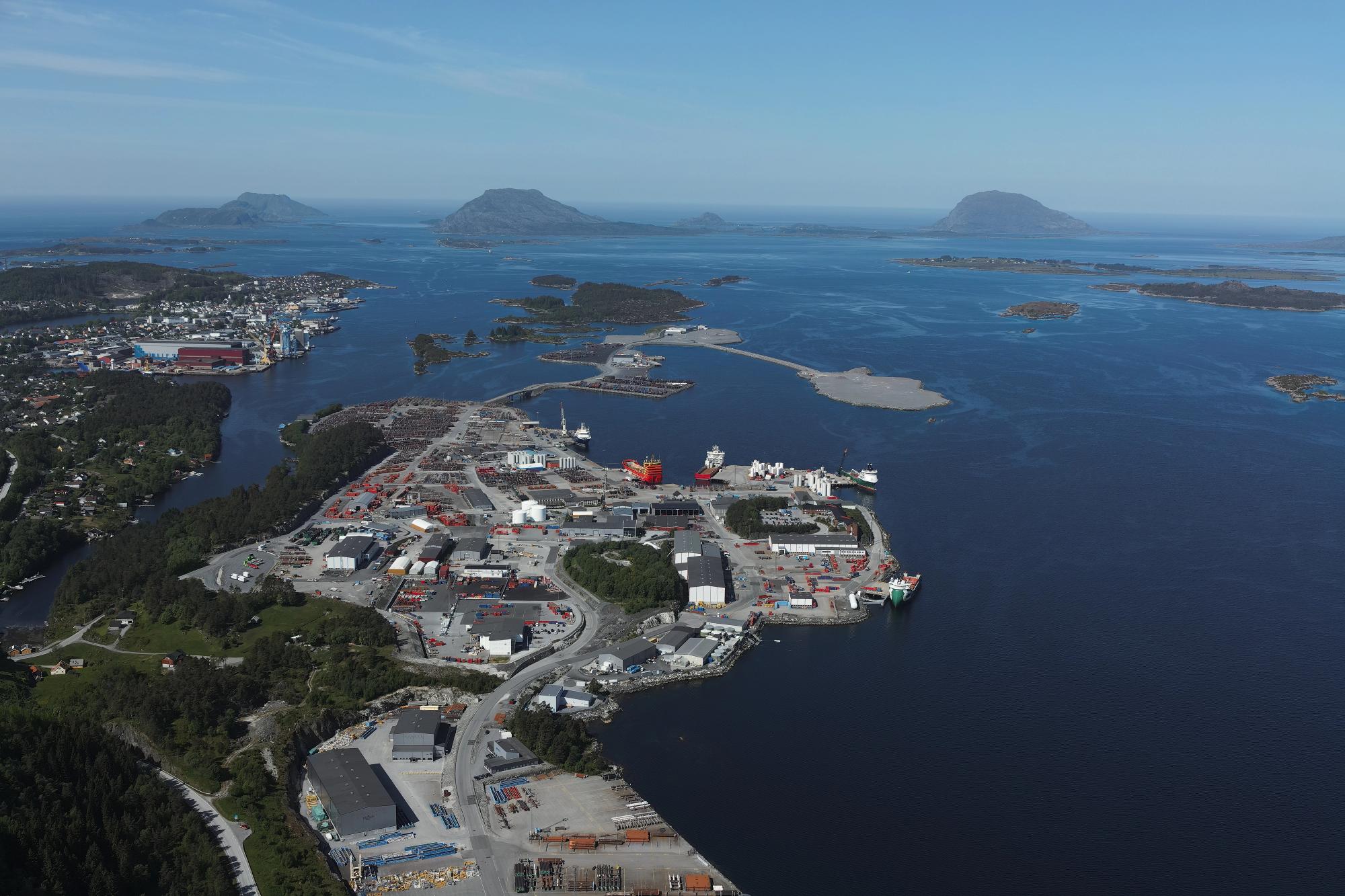
Cargo is discharged by crane or rolled off, and registered in the same system the base uses for all other cargo handling. Discrepancies are caught on the quay, not three weeks later.
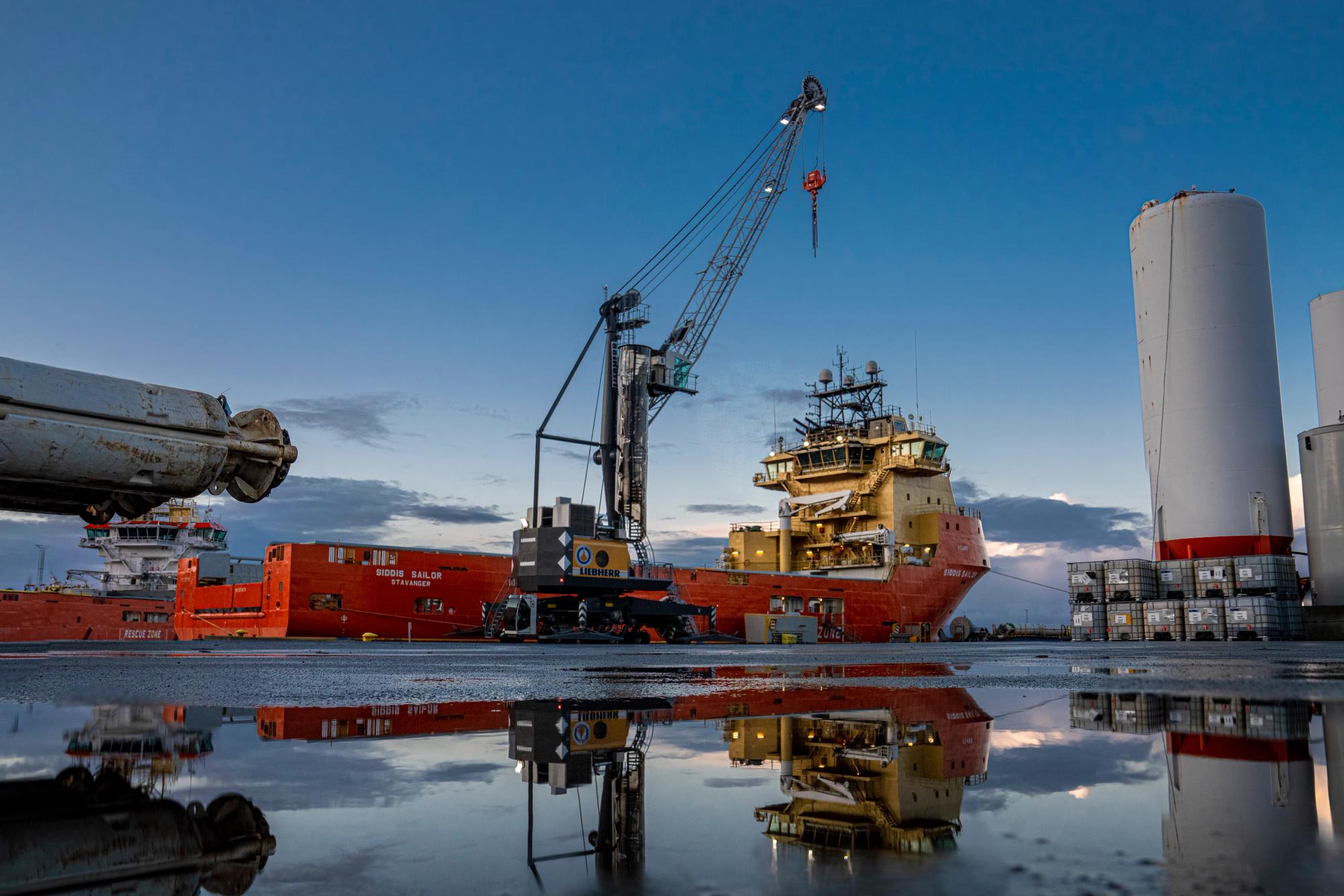
Material is separated by type and condition. Whatever can go on to reuse is kept together, and the rest is prepared for further treatment. Everything is weighed and booked to the project.
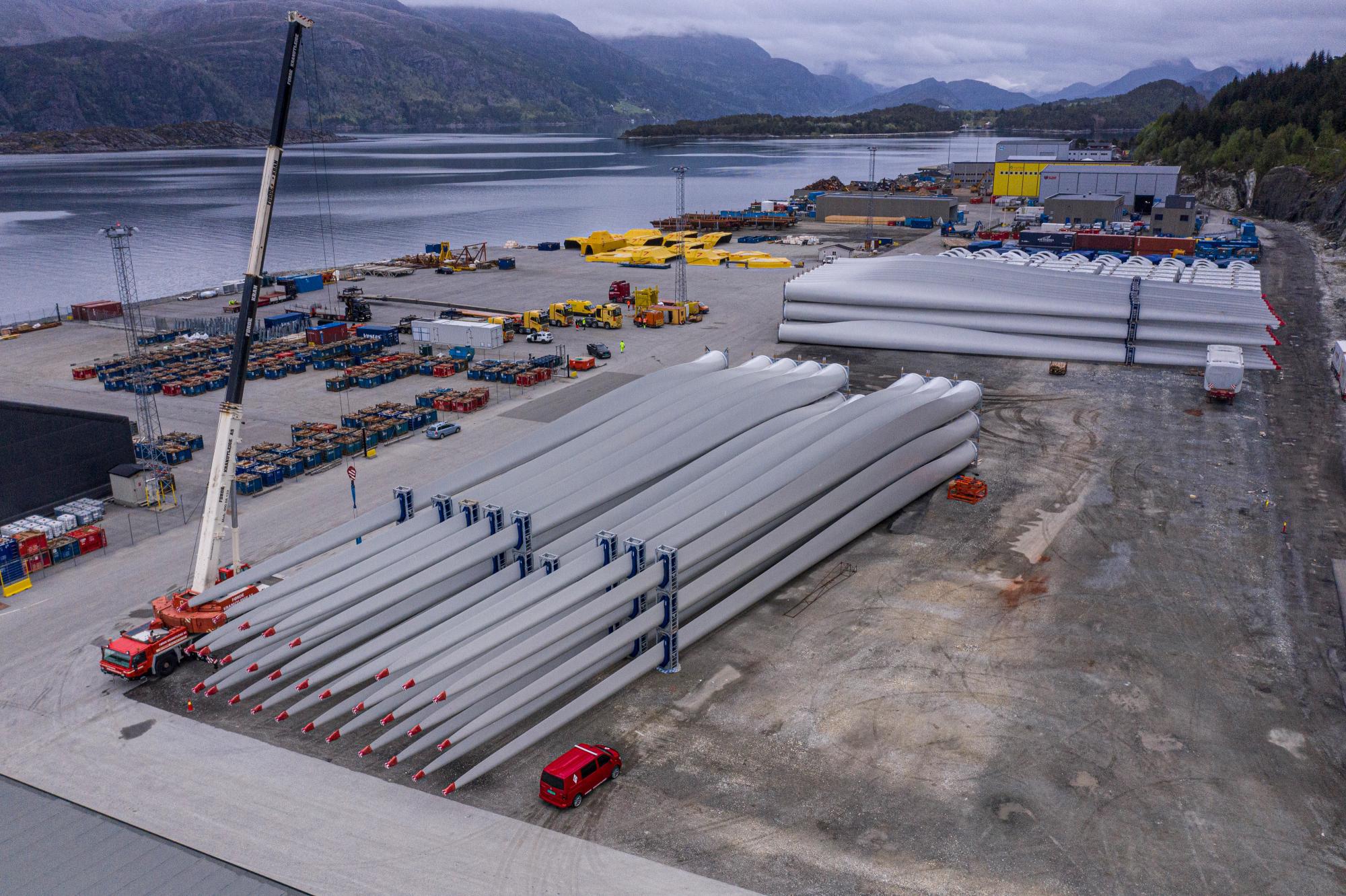
Equipment for reuse goes out to a new owner or a new project. The rest is sent to the receivers agreed during planning, with the documentation that belongs to it.
Before start-up
Settle this early
What we need from you
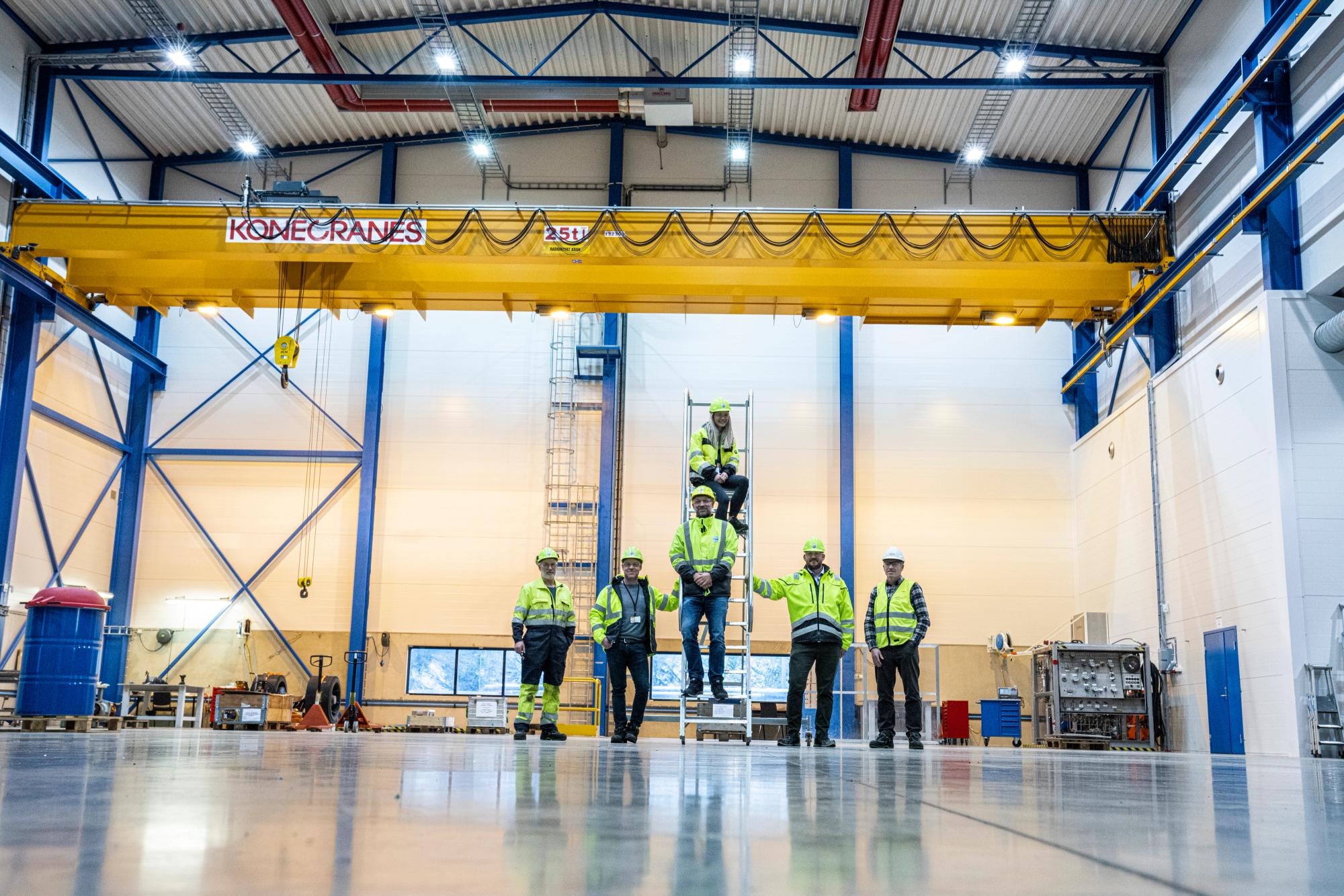
Heaviest unit, largest dimensions and number of lifts
An overview of hazardous waste and contamination in the structure
When the cargo arrives, and how long it stays
Who receives the material after sorting
The format the figures have to be delivered in
Contact
Who would you like to speak to?
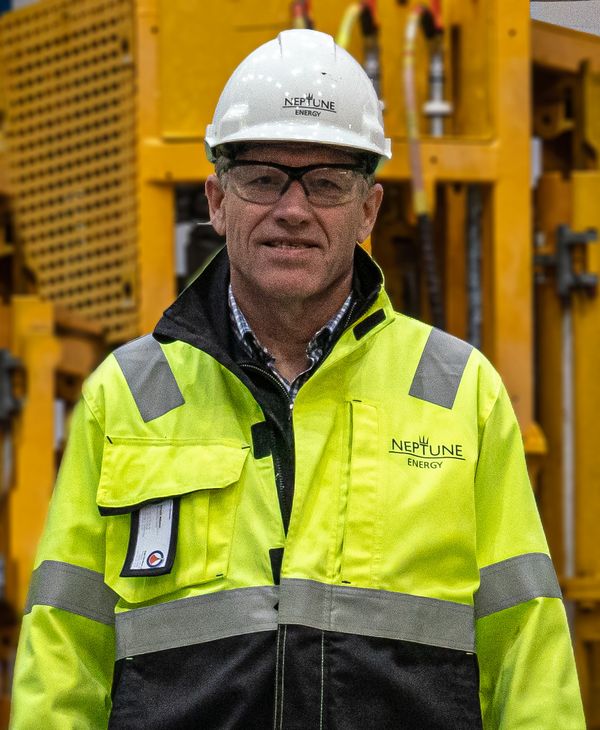
Ronald Reksten
Subsea and project
958 59 708

Erlend Toftesund
EVP Logistics and Operations
+47 481 25 091
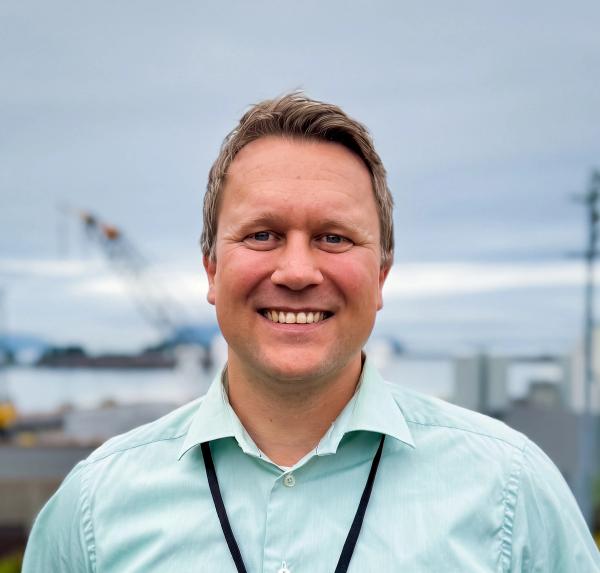
Benjamin Nielsen
Business Development
+47 941 82 240

Odd Helge Gåsdal Hatlem
Business Developer
+47 481 03 549
Next step
Get in touch before the plan is locked
Most questions about quay, area and timing are quick to answer when they reach us early. Raised after the execution model is fixed, they usually cost more to solve.
Base services
Discharge, storage, transport and quayside operations. The same setup that carries decommissioning work.
Quays
Nine quays with different lengths, depths and uses. See which one suits your cargo.
Property
Yards, halls and project areas for rent, from short campaigns to long-term agreements.